

Failings by the police, youth offending teams, mental health services and housing providers may have contributed to the death of Corey Junior Davis, the 14-year-old shot dead in Forest Gate in 2017, an inquest has concluded.
Recording a conclusion of unlawful killing, HM senior coroner Graeme Irvine found that failings — admitted by the Metropolitan Police, Newham Council and London & Quadrant Housing Trust (L&Q) — possibly contributed to the teenager’s death.
CJ, as he was known, was shot in a drive-by shooting at a playground in Moore Walk, Forest Gate, on 4 September 2017. He died in hospital the following day after his family took the decision to withdraw life-sustaining treatment.
The inquest at East London Coroner’s Court heard evidence over five days from the three bodies, examining what support and protection CJ had been given before his death. The coroner had earlier ruled it would be an Article 2 inquest, meaning it had to consider whether the authorities took reasonable steps to protect his life.
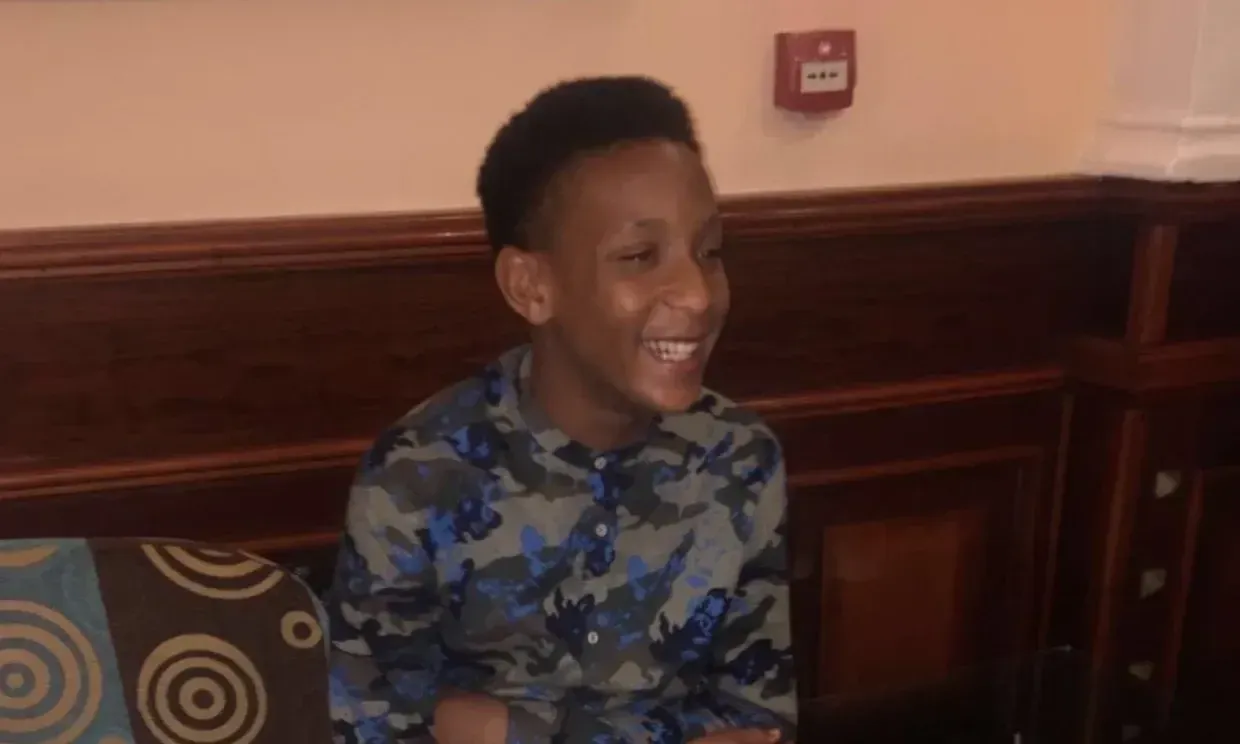
Giving evidence, CJ’s mother, Keisha McLeod, described a boy who had flourished with support at primary school but whose confidence deteriorated after he moved to Forest Gate Community School, having been diagnosed with ADHD.
She said activities he loved — including football and science club — were removed as disciplinary sanctions linked to behaviour associated with his condition, and that appropriate adjustments and pastoral support fell away.
The inquest heard that Ms McLeod became concerned her son was being criminally exploited, describing how older youths first befriended him by buying him food and drink before he was approached to sell drugs. The family arranged for CJ to move out of Newham to live with relatives in south London, and he received home tuition while efforts were made to keep him safe.
Ms McLeod told the inquest she repeatedly raised safeguarding concerns with professionals. In February 2017 she emailed Newham children’s services describing the situation as “a life and death” one, saying she believed CJ had been groomed by older males to sell drugs. The move to relatives was intended as a temporary measure until the family could be permanently rehoused elsewhere and reunited.
The inquest heard the family were offered a property in Redbridge, which CJ took as a fresh start, researching local schools he hoped to attend — but the offer was withdrawn after being issued in error.
Ms McLeod said its withdrawal had a profound effect on her son. He later returned to spend more time in Newham during the summer of 2017, and evidence was given about his associations with older teenagers and his mother’s continuing concerns.
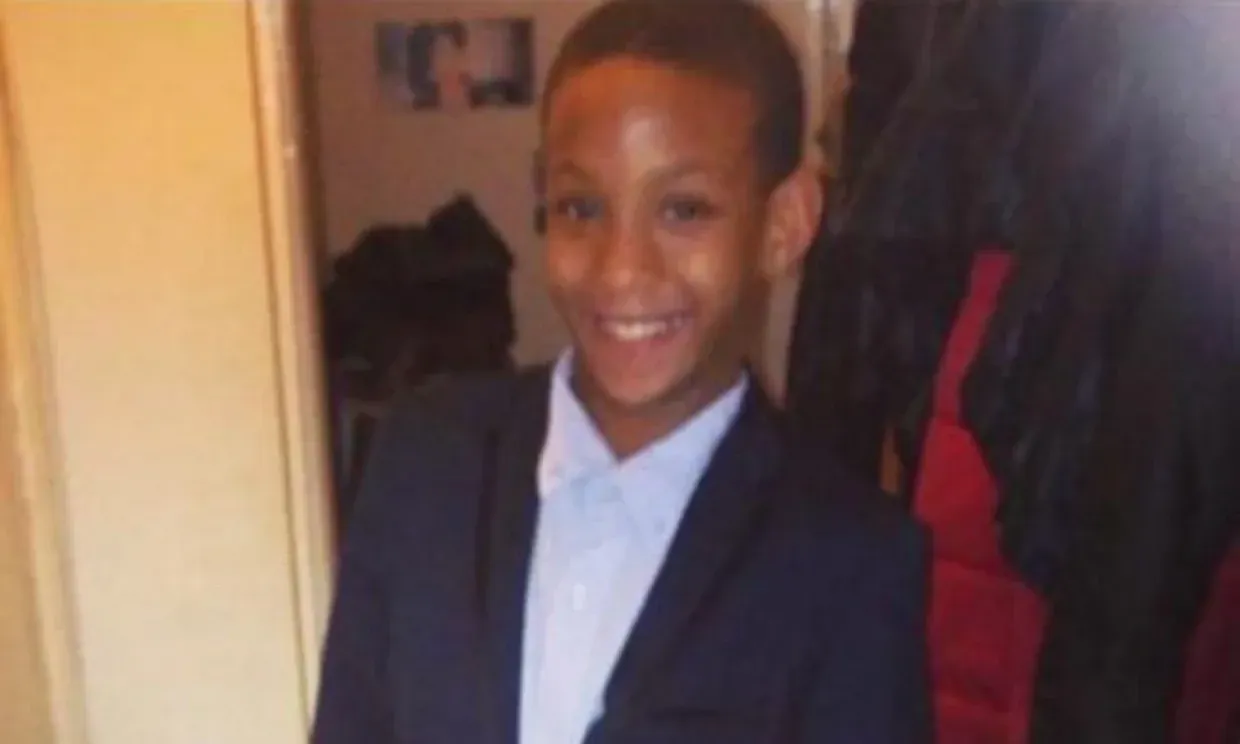
Ms McLeod described CJ as a much-loved son who was “full of beans” — full of energy, kindness and affection. She said he loved dancing, football, music and making people laugh, adored his older sister, and dreamed of becoming a mechanic so he could one day fix his mother’s car. His family said his life should be remembered for how he lived, not only for how he died.
Yvonne Kestler, the human rights solicitor at Leigh Day representing the family, said the evidence had highlighted the experiences of a vulnerable child whose mother repeatedly sought help from multiple agencies, yet the police, youth offending teams, mental health and housing providers had failed to work together effectively to protect him.

She said the family would consider the coroner’s findings carefully, and hoped the inquest’s findings would protect other children at risk of criminal exploitation “before it is too late.”
Failings identified years earlier
Many of the failings were not new. A Serious Case Review commissioned by the Newham Safeguarding Children Board, published in August 2018, had already reached strikingly similar conclusions about the way agencies handled CJ’s case in the months before his death.
The review found that although professionals repeatedly identified CJ as a vulnerable child at risk of criminal exploitation, they too often viewed him “through the lens of offending” rather than as a victim of grooming, and that no single professional ever had full oversight of his case.
It concluded that responses to his needs were “consistently reactive,” and that despite dozens of meetings over several years, “little changed for Chris and risk was not effectively managed.”
It identified specific gaps that the inquest would later revisit. A named children’s social care manager was invited to all three meetings of the borough’s Multi-agency Risk and Vulnerability Panel but did not attend.
A week-long missing episode did not trigger an independent return interview. CJ’s disclosure that he had been coerced into selling drugs, and his mother’s account of disposing of about £600 of Class A drugs she found in his possession, did not prompt a social care strategy meeting.
On the family’s attempts to be rehoused, the review found that a police statement supporting an urgent move was sent to a social worker who had by then left the council, with no evidence it was passed on to the housing provider.
It also found that the Pan-London Housing Reciprocal — a scheme designed precisely to relocate young people at risk of gang violence to safe areas — was never used, and appeared not to have been known to anyone in CJ’s professional network.
The review, which reproduced Ms McLeod’s February 2017 email in full, recorded her writing that she was “solely interested in safeguarding my son” and that “to me this is a life and death situation.” It made 14 recommendations, including a full review of the risk panel and the creation of a contextual safeguarding hub to coordinate the borough’s response to child criminal exploitation.
What has changed
Newham Council said much had changed in the nine years since CJ’s death. Laura Eden, its corporate director of children and young people’s services, said the council and its partners had accepted the findings of the 2018 review, “particularly in recognising CJ as a victim of child exploitation and his ‘grooming’ by criminal gangs.”
She pointed to a full Ofsted inspection in November 2025, published in January 2026, which rated Newham’s children’s services Outstanding in all five of its judgements, including overall effectiveness.
Inspectors found that children at risk of exploitation and those who go missing now receive a strong multi-agency response, describing the action to protect children who experience criminal or sexual exploitation as “well coordinated and robust.”
The report noted that children who go missing are now offered timely return home interviews — an intervention the 2018 review found had been absent in CJ’s case.
Ms Eden said the council noted the coroner’s conclusion that a Prevention of Future Deaths report was not necessary, given the changes made since 2017. She also paid tribute to Ms McLeod’s work with Newham’s Youth Safety Board, saying it had “helped drive forward the change of focus and delivery of services for young people in this borough.”
L&Q: “we have listened”
In a statement to the Newham Citizen, the executive group director of customer services at L&Q Sharon Burns said: “We wish to express our deepest condolences to the family of Corey-Junior Davis. His death was a tragedy, and we recognise the pain it continues to cause his loved ones.
“We have listened carefully to the coroner's findings and will take time to consider them in full. Safeguarding is a responsibility that we take extremely seriously, and we remain committed to working with our partners to help protect residents who are at risk.”
The Metropolitan Police said its thoughts remained with CJ’s family. Superintendent Sarah Jackson, of the North East Borough Command Unit, said the 2018 review, which the force had supported, had made multi-agency recommendations including for the Met but had not identified any for the force alone.
She said the Met had since strengthened training to help officers identify vulnerability and exploitation, and improved information-sharing with safeguarding partners.
The investigation into CJ’s killing remains open. Detective Chief Inspector Dave Whellams, who is leading it, said officers had built a detailed picture of the day but were “just missing a few extra pieces.”
He said the force was still trying to trace a grey Range Rover used by the killers, which had been stolen from Balham two weeks before the shooting and never recovered.
Three people were arrested on suspicion of murder and released without further action.
The Met is offering a reward of up to £20,000 for information leading to a conviction, and asked anyone with information to call 020 8345 3775, or Crimestoppers anonymously on 0207 230 7142.
Note: this article was updated at 4:50pm, Wednesday 5 August 2026 to include the statement from L&Q.


